

How to Stop A Dog from Eating Poo: Home Remedies and 4 Solutions for a Dog's Upset Stomach
It’s not the nicest topic to talk about, but many dogs eat poo at some point in their lives. Known as coprophagia, this behaviour is surprisingly common and can leave owners feeling confused and understandably, a little horrified. In some cases, it’s simply a habit or curiosity. But in others, it can be linked to digestive upset, nutritional imbalances or underlying health issues that are worth looking into.
An upset stomach, also known as gastroenteritis or dyspepsia, is one of the most common illnesses in dogs and one that can lead to them eating poo. As a responsible pet owner, it's important to recognise the signs and understand your dog's needs. While most of the time your dog will recover on its own (usually within 2 days) there are times when your dog’s upset stomach might be linked to something more serious.
Within this article, we identify the potential causes of your beloved dog’s upset stomach and provide some easy remedies that will help ease their discomfort.

Chris Benson via Unsplash
What causes a dog's upset stomach?
There can be many causes for your dog’s upset stomach. The most common is that they have eaten something they shouldn’t have. After all, dogs are curious creatures and enjoy putting things in their mouth. Some other causes of a dog’s upset stomach include intestinal parasites (such as tapeworms), poor digestion, viruses, dietary changes, food sensitivities, toxins, and stress and anxiety.
Dogs may eat poop due to behavioral issues, nutritional deficiencies, or instinctual behaviors.
Dogs should not eat certain human foods like chocolate, garlic, onions, citrus, grapes, nuts, and coconut. These foods will make your dog ill so try to keep them out of reach in your home.
What are the symptoms of an upset stomach in dogs?
The most common symptoms that show your dog has an upset stomach are diarrhoea and vomiting. But there are other signs to watch out for too:
- Decreased/loss of appetite.
- Fatigue
- Eating grass
- Drinking less water
- Looking depressed
- Seeming uncomfortable and stretching more often
- Licking their lips, or other objects
- Gulping and gurgling noises from the stomach
- Passing very smelly wind!
Sometimes a dog may have more intense symptoms that could be a sign of an underlying health condition. In which case, you should take them to a nearby vet or animal hospital as soon as possible.

Ryan Stone via Unsplash
The serious clinical symptoms to look out for are:
- Severe vomiting, or vomit that looks a bit yellow with bile.
- Vomit or stool that contains blood.
- Abdominal pain, your dog may be showing their discomfort by standing with their head hanging, praying, or bowing.
- Lethargy and weakness
- Weakness or collapsing
If your dog shows any of these severe symptoms, consulting a veterinarian is important to rule out health issues before trying home remedies for coprophagia.
If your dog eats something it shouldn’t, like food, toys, or chemicals, get help from a vet. If they are unavailable, then we recommend contacting your nearest emergency veterinary hospital. The vet can tell you if your pet needs professional attention or if you can monitor them at home. Never give your dog human medication without veterinary guidance, as it can be dangerous and may cause harm.
Now that you know the causes and symptoms of a dog’s upset stomach. It’s time to look at some remedies that you can use at home to treat your pup’s upset tummy.
Managing anal gland issues in dogs
Anal gland issues are a surprisingly common cause of discomfort for many dogs, and can sometimes be mistaken for an upset stomach. Dogs have two small anal sacs on either side of their anus, which normally empty during bowel movements. However, when these anal glands become impacted or infected, your dog may start scooting, licking, or biting at their rear end - clear signs that something isn’t right.
Pet parents can help manage anal gland issues by keeping their dog’s anal area clean and ensuring their dog is on a high quality diet that supports firm, healthy stools. This helps the two small anal sacs empty naturally. Natural remedies like warm compresses applied to the area can provide relief, and adding omega-3 fatty acid supplements to your dog’s diet may help reduce inflammation. Soothing baths can also help keep the area clean and comfortable.
If your dog continues to show signs of discomfort, or if you notice a strong fishy odor, swelling, or signs of pain, it’s important to schedule a vet visit. Persistent anal gland issues can sometimes be linked to food allergies or bacterial infections, which require veterinary medicine for proper treatment. Regular gland expression by a professional may also be necessary for some dogs. By staying attentive to your dog’s needs and seeking help when needed, you can help prevent anal gland issues from leading to more serious problems.
Supporting gut health for a happier stomach
A healthy gut is the foundation of your dog’s overall well-being, and supporting gut health can go a long way in preventing issues like upset stomach, loose stools, and gi upset. Pet owners can boost their dog’s digestive health by incorporating natural remedies into their dog’s diet, such as a spoonful of pumpkin, a splash of bone broth, or a small amount of apple cider vinegar in their dog’s bowl. These ingredients are known to improve stool quality, soothe gut inflammation, and promote healthy digestion.
In addition to these natural remedies, feeding a balanced diet rich in fibre, protein, and healthy fats is key to maintaining optimal gut health. Probiotics and prebiotics are also excellent dietary supplements that encourage the growth of beneficial bacteria in the digestive tract, helping to strengthen your dog’s immune system and prevent digestive upsets.
By taking a holistic approach to your dog’s gut health - focusing on both nutrition and natural support - you can help ensure your dog enjoys better stool quality, fewer digestive issues, and a happier, healthier stomach.
Maintaining a healthy weight to prevent stomach issues
Keeping your dog at a healthy weight is one of the best ways to prevent stomach issues and support healthy digestion. Excess body weight can put unnecessary pressure on your dog’s digestive system, increasing the risk of stomach issues, loose stools, and even anal gland issues. Maintaining a healthy weight also helps reduce the risk of other health problems, such as diabetes and joint pain.
To help your dog stay at a healthy weight, feed a balanced, high quality diet tailored to their size, age, and activity level. Avoid overfeeding and limit treats, especially those not designed for dogs. Regular exercise, such as daily walks and playtime, is essential for keeping your dog active and supporting healthy digestion.
Monitor your dog’s body weight regularly and adjust their diet and exercise routine as needed. If you notice severe symptoms like vomiting, diarrhea, or if your dog stops eating, consult your veterinary team immediately to rule out underlying conditions that may require veterinary medicine. By staying proactive about your dog’s weight and digestive health, you can help prevent stomach issues and keep your furry friend feeling their best.
Other Ways to Help a Dog's Upset Stomach
1. Hydration is important for dog's upset stomach
Ensuring your dog stays hydrated is crucial at all times, even more so when they have an upset stomach! If your dog has diarrhoea, they can quickly become dehydrated. So they may be needing more water than usual.
However, sometimes having too much water may make your poor dog's upset stomach worse. So, try giving your dog some ice chips every few hours and see if they can keep them down. If they can handle small amounts of water or ice chips, gradually increase the quantity and frequency of their intake.
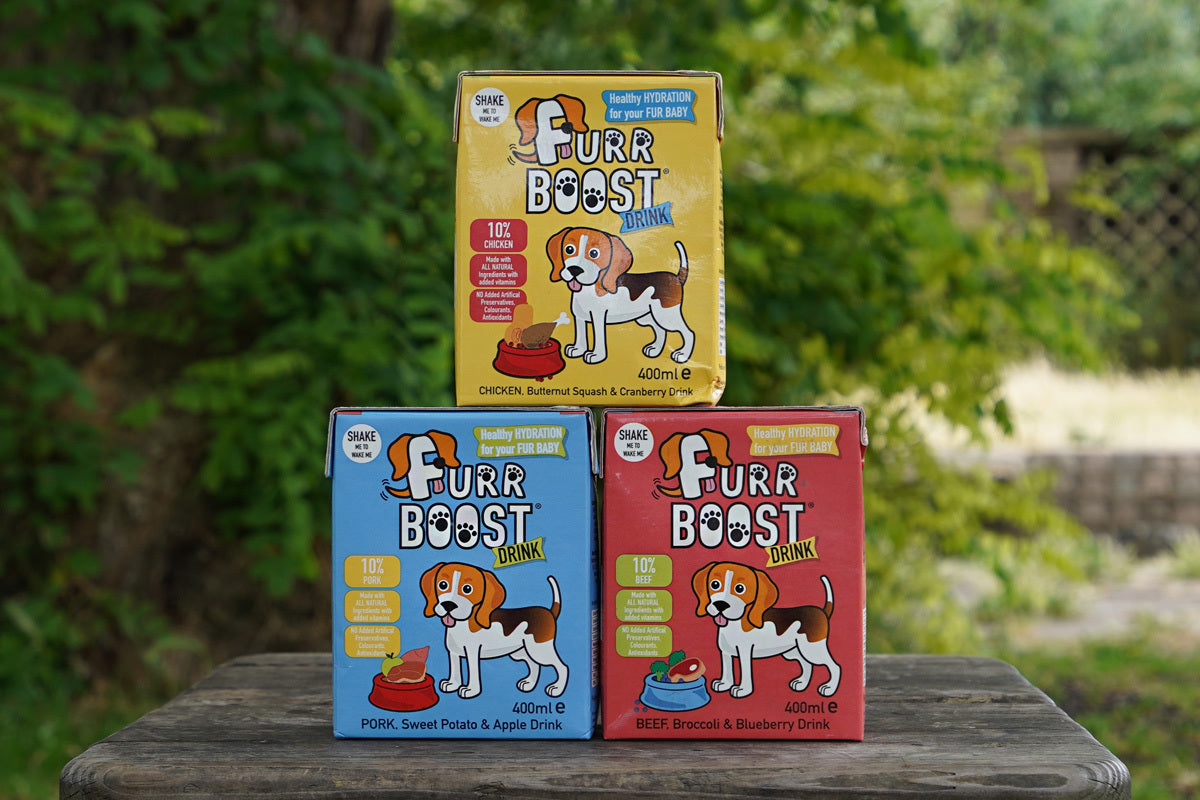
Alternatively, we recommend Furr Boost products that come in three different flavours to choose from. These smoothies for dogs are delicious, 100% natural, and hydrating. You can add them to your dog's water to replenish lost fluids when they are suffering from an upset tummy. For the right amount of water to add, we recommend 50ml of fluid per 1kg of your dog's weight.
2. Bland food is the best remedy for a dog's upset stomach
A bland diet is a temporary feeding plan for pets that consists of foods that are easy to digest and low in fat and fibre. It is recommended for a dog’s upset stomach because it is easier to digest and helps calm the digestive tract until your dog’s appetite, bowel movements, and metabolic function normalise. Adjusting your dog's diet in this way can support their digestive health and help settle your dog's stomach.
Once your dog can keep water down, you can start offering them small portions of bland food. A bland diet typically consists of a single carbohydrate source and a single lean protein source. You can easily make this by boiling and shredding chicken (25%) and mixing it with plain boiled rice (75%), without adding any oils, fats, or spices. Plain unsweetened Greek yogurt and low fat cottage cheese are also bland, easily digestible options that can be included to support your dog's stomach. To make the rice more appealing, add a spoonful of pumpkin, which has several benefits, especially for a dog’s upset stomach.
Adding fibre supplementation to your dog's diet can help firm up the stool and prevent ongoing issues. Probiotics, such as those found in plain unsweetened Greek yogurt, help restore healthy gut flora, support consistent bowel movements, and reduce inflammation throughout the GI tract. This leads us to our next point…
3. Pumpkins and Sweet Potato are great for a dog's upset stomach
Great bland foods for a dog’s upset stomach include canned or plain carved pumpkin or sweet potato. Simply peel the skin off the pumpkin and sweet potato, then mash the insides. Give your dog a few tablespoons of the mixture to alleviate diarrhoea and soothe their upset stomach.
Sweet potato and pumpkin are good for a dog’s upset stomach because they are low in calories, rich in nutrients, high in fibre, and gentle on the digestive system. Fibre supplementation can help firm up a dog's stool and support healthy bowel movements. Adding fibre to a dog's diet can help improve stool consistency, which not only firms up the dog's stool but also promotes the natural expression of anal glands.
100% canned pumpkin is a favourite amongst many veterinarians. When purchasing canned pumpkin, make sure pumpkin is the only listed ingredient. Small dogs can be fed one-half teaspoon of canned pumpkin, whereas larger dogs can be fed 1 tablespoon.
Probiotics can also help improve gut health and stool consistency, which may reduce scooting and support overall digestive health.
Additionally, we suggest using small amounts of ginger as a natural anti-inflammatory herb to alleviate your dog’s upset stomach. It can reduce vomiting thanks to its antispasmodic effects. Simply add a pinch of ginger powder to a warm cup of water for your pooch and see if it provides any relief.

Jamie Street via Unsplash
4. Bone Broth is a 'trendy' choice for dogs with upset stomachs
Bone broth has gained popularity as a fasting option, especially for a dog’s upset stomach when they are experiencing symptoms like diarrhoea and vomiting. Bone broth is gentle on the GI tract and can help support recovery by providing hydration and mild nutrition without irritating the digestive system.
If your dog is hungry but not well enough for solid food just yet, chicken or beef broths are great alternatives. This is because bone broth is a very mild and nutritious liquid meal that will settle easy in a dog’s upset stomach. You can either make the broth yourself or buy some at your local supermarket.
When buying pre-made broth, read the label carefully and ensure it doesn’t contain spices like onion or garlic. These can worsen your dog’s upset stomach.
Additionally, probiotics can help restore your dog's gut health and improve digestion, especially when recovering from an upset stomach.
How to prevent upset stomach in dogs
It’s easier to prevent a dog’s upset stomach than to cure it. To avoid your dog getting an upset stomach, it’s best to feed them a high-quality, balanced diet and minimise the number of treats you provide - especially those made for humans! Feeding a high-quality diet also helps prevent nutrient deficiencies that may lead to coprophagia (stool eating). Here are some ways to protect your dog’s sensitive tummy and prevent unwanted behaviours like eating poop:
-
Wash the dog water bowl daily: A report from the National Sanitation Foundation (NSF) states that pet bowls rank fourth among the germiest items in the kitchen. Even after cleaning them in the dishwasher, bacteria like salmonella and E. coli can still linger. To disinfect the bowl, NSF recommends soaking it in active cleaning ingredients for at least 10 minutes once a week. Dog bowls made from silicone or stainless steel are said to be the best choices.
-
Hydration: Ensure your dog always has access to clean, fresh water within a clean dog bowl. Proper hydration helps prevent dehydration and supports your doggo’s digestion.
-
Lots of Exercise: Regular exercise for your dog aids in maintaining a healthy weight and promoting proper digestion. Remember to wait at least 2 hours after meals before exercising to avoid digestive discomfort and bloating. Providing toys and puzzles can also help alleviate boredom and anxiety that may contribute to coprophagia.
-
Keep your dog's anal area and rear end clean: Gently clean your dog's anal area and rear end, especially after loose bowel movements, to prevent irritation and discomfort that can lead to scooting. Keeping the anal area clean can also help prevent issues caused by debris or full anal glands. Common causes of dog scooting include anal gland issues, skin allergies, and debris around the anus.
-
Use a warm compress with warm water: If your dog shows signs of anal gland problems or full anal glands, applying a warm compress with warm water to the anal area can soothe discomfort and promote gland expression.
-
Supervise bathroom breaks and use the 'leave it' command: Supervising your dog during bathroom breaks and training them with the "leave it" command can help restrict their access to feces and prevent them from eating poop.
-
Immediate cleanup of faeces: The most effective way to prevent dogs from eating poop is to immediately clean up after them, reducing their access to feces in the environment.
-
Effective home remedies: Home remedies to stop a dog from eating poop include making stool taste bad (such as adding canned pineapple, pumpkin, or meat tenderiser to meals), improving digestion with digestive enzymes or probiotics, and managing the environment. Mixing 1-2 tablespoons of pureed pumpkin into food can make feces less enticing and improve digestion. Adding 1 teaspoon of apple cider vinegar per 25 lbs of weight to food can balance digestive pH and change the stool's smell and taste. Probiotics can help improve your dog's gut health and may reduce the tendency to eat poop. Black pepper can be sprinkled on feces to deter dogs by causing irritation when sniffed, but it does not make feces taste bad.
-
Avoid punishment: Avoid punishing your dog for coprophagia, as this can increase anxiety and worsen the behavior.
-
Gradual dietary changes: When introducing your dog to new food, it’s crucial to do it gradually. Sudden dietary changes can upset their stomach. Start by mixing small amounts of the new food with their current food. Then slowly increase the amount over a week or more.
-
Avoid feeding your dog human food: Resist the temptation to feed your dog table scraps of human food, no matter how irresistible their pleading eyes may be! This is particularly important if the food is fatty, spicy, or toxic to dogs. Human food can upset a dog’s digestion, so feed them treats and food specifically designed for dogs and recommended by vets.
-
Regular Veterinary Check-ups: Schedule routine check-ups with your vet to monitor your dog’s overall health. The Vet can give you guidance on diet, preventive care, and address any concerns you may have about your canine’s health. Note that weight loss can be a side effect of certain medications, so always consult your vet if you notice changes.
- Keep your dog's environment clean: Maintaining a clean environment helps reduce your dog's access to feces and supports overall health.

By following these measures, you can reduce the likelihood of your dog experiencing an upset stomach and prevent behaviours like eating poop. At WOOOF, we have a variety of high-quality dog products that will help your four-legged family member maintain a healthy gut. See below for some of our favourite options that your furry pal and their stomach will love.
Upset stomachs in dogs are common and often temporary, but recognising symptoms early and knowing when to contact your vet is key, especially if signs are severe or persistent.
Gentle home remedies can help support recovery, including hydration, bland foods, fibre-rich options like pumpkin or sweet potato, and gut-supporting additions such as probiotics or bone broth.
Prevention starts with good daily habits, from a balanced diet and gradual food changes to regular exercise, hygiene, and keeping your dog’s environment clean to reduce digestive upset and unwanted behaviours like eating poop.


