Skip to content
WHILE STOCKS LAST: PUPSICLE TOY REFILL POPS - 3 BAGS FOR THE PRICE OF 2
STOCK UP ON PUPSICLE TOY REFILL POPS: 3 FOR 2

Puppy Food

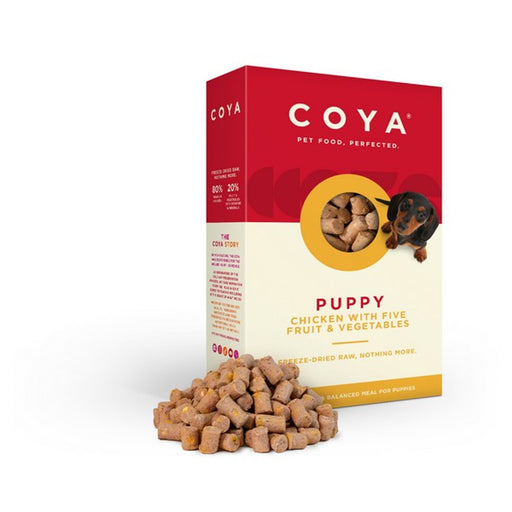
COYA Puppy Dog Food, Freeze-Dried Raw - Chicken

Coya
Original price £7.99 - Original price £29.95
Original price
£7.99 - £29.95
£7.99 - £29.95
Current price £7.99

COYA beef recipe is packed full of goodness to give adult dogs of all breeds and lifestyles the most delicious, most nutritious bursting-with-benef...

View full details
Original price £7.99 - Original price £29.95
Original price
£7.99 - £29.95
£7.99 - £29.95
Current price £7.99

FAQs

What food is best for puppies?

Puppies have very different nutritional needs to adult dogs, so the most important thing is choosing food that is specifically formulated for puppies rather than repurposing adult dog food. Good puppy food is higher in protein, fat, calcium and calories to support rapid growth, bone development and the enormous amounts of energy a growing pup burns through. WOOOF's puppy food collection features quality options designed with these needs in mind. Alongside their main meals, puppies also benefit from age-appropriate treats to support training and reward good behaviour. Look for small, soft treats that are easy to chew, that won't upset their tiny tummies. WOOOF stocks a dedicated range of puppy treats including options suitable from 8 weeks old, such as Denzel's Puppy Bites, made from 100% natural ingredients and gently baked in the UK. For an extra nutritional boost, dog food toppers can also be a great way to add variety and flavour to your puppy's bowl, making mealtimes more appealing for fussier pups.

How many times should a puppy eat a day?

Puppies need to eat much more frequently than adult dogs because their small stomachs can't hold large quantities of food and their fast-growing bodies need a steady supply of nutrients throughout the day. Puppies should be fed 3 to 4 times a day until they are several months old, with feeding frequency gradually reduced as they grow. Splitting meals into smaller, more frequent portions also helps to prevent blood sugar dips, reduces the risk of digestive upset and keeps energy levels stable. As your puppy grows, you'll typically move to 3 meals a day, then 2 meals a day as they approach adulthood, always following the guidance on your chosen puppy food packaging, as exact recommendations vary by breed and product. A consistent feeding routine also supports toilet training, as puppies typically need to go to the toilet 10–15 minutes after eating.

How much food should a puppy eat?

The right amount of food depends on your puppy's age, breed, size and the specific food you're using. Because puppies grow at very different rates, the most reliable starting point is always the feeding guide on your chosen puppy food packaging, which will give portion guidance based on your puppy's weight. As a general principle, you should be able to feel your puppy's ribs without pressing hard, but they shouldn't be visibly prominent. Overfeeding during puppyhood, particularly in large breeds, can put unnecessary strain on developing joints and bones, so accuracy matters. It's also important to factor in any puppy treats used during training sessions, as these contribute to daily calorie intake. If you're ever unsure, your vet is the best person to advise on portions specific to your puppy's breed and growth stage. Using a slow feeder bowl can also be a good idea for fast-eating puppies, as it extends mealtimes and supports better digestion.

Can adult dogs eat puppy food?

Technically an adult dog can eat puppy food without immediate harm, but it's not recommended as a long-term approach. Puppy food is intentionally richer and higher in calories, protein and fat to support rapid growth, nutrients that an adult dog simply doesn't need at the same levels. Feeding a healthy adult dog puppy food regularly can lead to weight gain and, over time, unnecessary strain on organs processing the excess nutrients. If you have a household with both a puppy and an adult dog, it's best to feed them separately and ensure each is eating the food formulated for their life stage. WOOOF stocks dry dog food for adult dogs alongside its puppy food range, making it easy to keep the two distinct. The exception is dog treats, many quality treats are suitable for both puppies and adult dogs, though always check the age guidance on pack first.

How long should a puppy eat puppy food?

Most puppies should remain on puppy-specific food until they are fully grown, at which point they can transition to an adult formula. When that transition happens depends largely on breed size. Small breeds typically reach their adult size by around 9–12 months old, while medium breeds usually get there around 12 months. Large and giant breeds can continue growing until 18–24 months and should remain on puppy food for longer, as their bone and joint development takes more time to complete. Switching too early can mean missing out on key nutrients at a critical growth stage. When the time does come to transition, do it gradually over 7–10 days by mixing increasing amounts of adult dog food into the puppy food, this helps avoid digestive upset. You can also support the transition by adding a dog food topper to make the new food more appealing if your dog is initially reluctant. As always, your vet can give the most tailored advice based on your specific dog's breed, growth and weight.