class="site-logo"
href="/">


A cat lick mat is a textured flat mat made of silicone or rubber, designed to slow feeding, reduce anxiety and provide mental stimulation for cats. Lick mats promote licking behavior over food seeking, helping cats eat slower while releasing calming endorphins. They are useful for aiding digestion, providing enrichment for indoor cats or offering a calming distraction during stressful times. Made from food-grade materials, lick mats often feature suction cups to stay in place and are microwave and freezer friendly.
The SodaPup Hand-Held Lick Stick is a versatile enrichment tool that makes training and rewarding your dog fun, interactive, and mess-free. Designe...
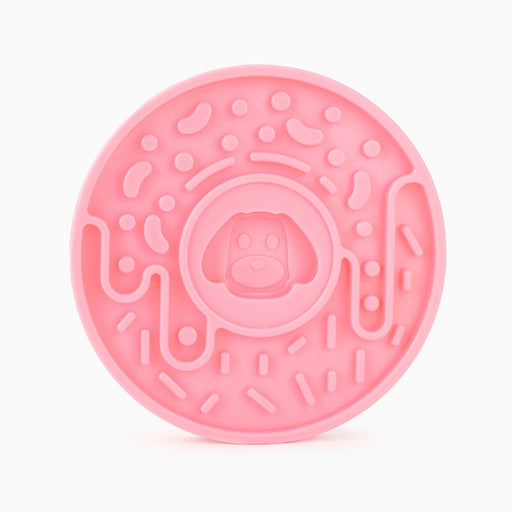
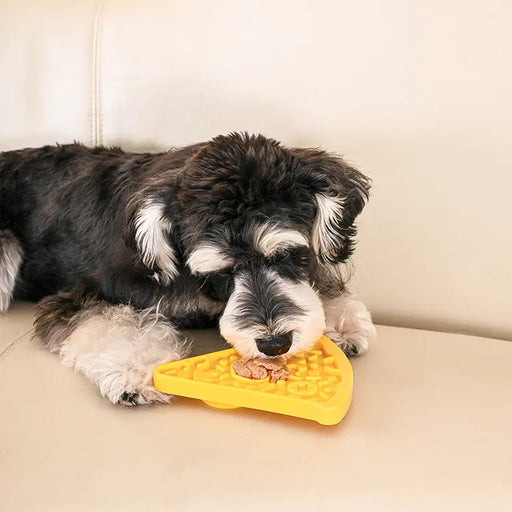
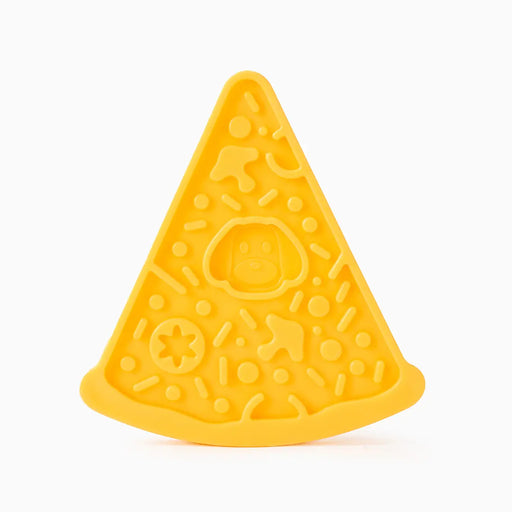
View full detailsMade from food-safe, high-quality silicone, our licking mats make snack time fun and cute for your pet. Available in pizza and donut designs, each ...
View full detailsMade from food-safe, high-quality silicone, our licking mats make snack time fun and cute for your pet. Available in pizza and donut designs, each ...
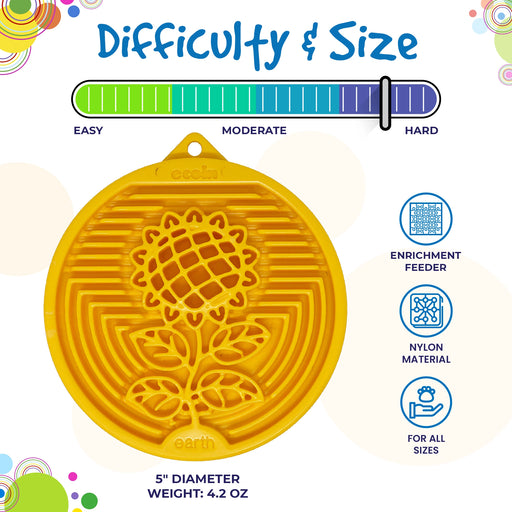
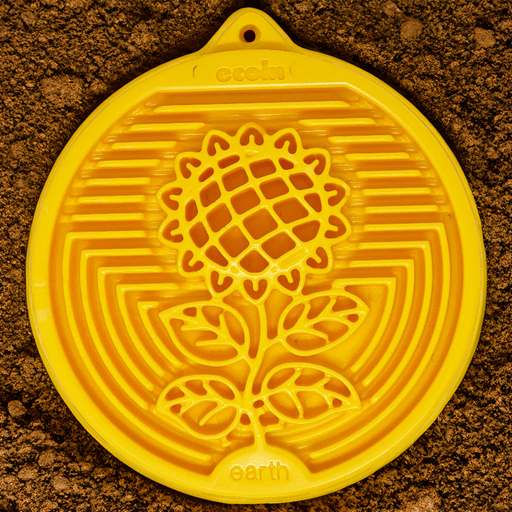
View full detailsGive lick-mat destroyers something tougher with the SodaPup Earth Design Snack Sized Lick Mat, a flat, ultra-durable nylon disc with a sunflower de...
View full detailsSay hello to your new secret weapon for stress-free, slow-feeding bliss. Smaller than our regular size, the LickiMat® Mini Soother is a must-have...
View full detailsBring calm, mess-free enrichment to treat time with the SodaPup Tree of Life Lick Mat, a branch-patterned mat with suction cups on the back that ho...
View full detailsPerfect for small chew-prone pups! LickiMat Mini TUFF™ is virtually indestructible. Say hello to your new secret weapon for stress-free, slow-feedi...
View full detailsMade from food-safe, high-quality silicone, the ice cream licking mats make snack time fun and cute for your pet. Each mat features two suction cup...
View full detailsPerfect for small chew-prone pups! LickiMat Mini TUFF™ is virtually indestructible. Say hello to your new secret weapon for stress-free, slow-feedi...
View full detailsRide the wave of calm with the SodaPup Surf's Up Design Lick Mat, a small, beach-themed lick mat that turns a soft spread into slow, soothing enric...
View full detailsThe MINI Lickimat Keeper is perfect for dogs that like to pick up & move or chew their lickimats as it keeps the mat safe from chewing and disc...
View full detailsMake mealtime more enriching with the Lotus eMat! Designed with a playful lotus pattern, this lick mat provides soothing mental stimulation while y...
View full detailsSay hello to your new secret weapon for stress-free, slow-feeding bliss. Smaller than our regular size, the LickiMat® Mini Soother is a must-have f...
View full detailsPerfect for small chew-prone pups! LickiMat Mini TUFF™ is virtually indestructible. Say hello to your new secret weapon for stress-free, slow-feedi...
View full detailsSay hello to your new secret weapon for stress-free, slow-feeding bliss. Smaller than our regular size, the LickiMat® Mini Soother is a must-have f...
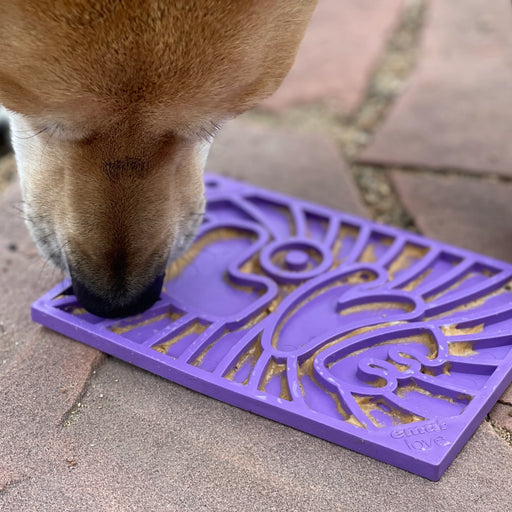
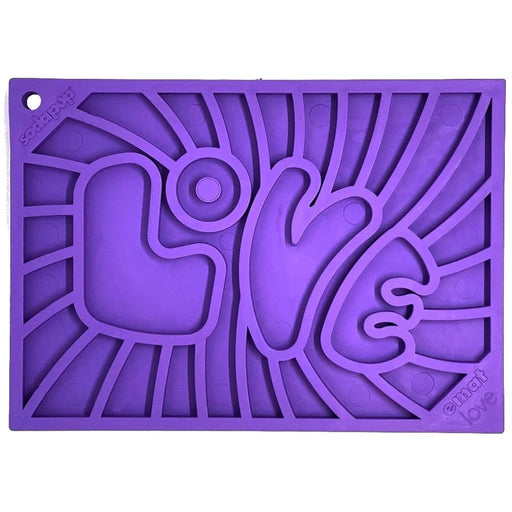
View full detailsBring a little retro fun to treat time with the SodaPup Groovy Love Lick Mat, featuring a playful peace-and-love pattern that encourages natural li...
View full detailsTurn treat time into calming enrichment with the SodaPup Tulip Lick Mat, a flower-shaped, textured mat with secure suction cups that slows licking ...
View full detailsDesigned specifically for cats and small dogs, the SodaPup Fish Cat Lick Mat provides a calming and rewarding enrichment experience during mealtime...
View full detailsA compact, ocean-themed lick mat made in the USA from safe, FDA-compliant TPE, perfect for gentle enrichment in cats, puppies and small breeds.
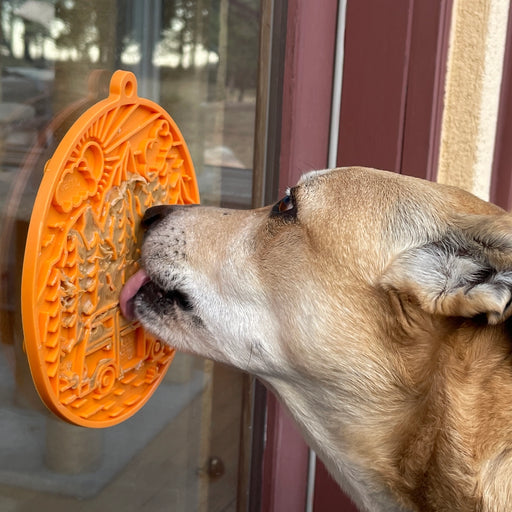
Bring a little adventure to treat time with the SodaPup Camper Van Lick Mat, featuring a fun retro-inspired design, textured surface and suction-cu...
View full details